Why AI Makes Strategic Communications More Important, Not Less
By Katja Stout, Founder and Managing Partner, Scius Communications
AI is already transforming our ability to research topics, analyse information, draft content and increase productivity. Used appropriately, it can free up teams to spend more time on higher-value strategic activities.
However, biotech companies are often valued as much on future potential as current performance, making reputation and trust critical assets. Whether communicating with investors, partners, regulators or patients, credibility depends on judgement, context and experience—qualities AI cannot replicate. The question for life sciences leaders is no longer whether to use AI, but how to use it in ways that strengthen rather than weaken trust and reputation.
Governance Matters, But Judgement Matters More
As AI tools become more widely adopted, organisations need clear policies governing data security, confidentiality and human oversight. In life sciences, where sensitive scientific, clinical and commercial information is routinely handled, robust safeguards—including appropriate controls over data sharing and model training—are essential.
But governance alone is not enough. The more important question is who is applying judgement to the outputs. AI can generate content at scale, but it cannot assess strategic implications, understand stakeholder sensitivities or make decisions under uncertainty. That responsibility remains firmly with leadership teams and their strategic advisors.
The Growing Value of Strategic Communications Counsel
As AI takes on more routine communications tasks, the value of experienced communications advisors increases rather than decreases. AI can generate content, but it cannot anticipate investor concerns, understand competitive dynamics, navigate regulatory sensitivities or judge how a particular message will land with key stakeholders.
These are strategic insights that shape financing outcomes, partnerships and corporate reputation. They require experience, context and relationships, not simply technology.
As a founder-led consultancy built exclusively for life sciences, we sit alongside biotech executives at their most consequential moments—from company formation and financing rounds to clinical milestones, partnerships and exits.
The conversations we have with life sciences leaders are rarely just about content production. They focus on how strategically communications can support financing, partnering, commercial growth, stakeholder confidence and long-term value creation. We bring insights based on our experience and relationships with investors, partners, journalists and other industry stakeholders whose opinions can materially influence a company’s success.
The organisations that will derive the greatest value from AI are not those adopting it fastest, but those who combine technological efficiency with experienced human judgement and clear strategic narrative. The future of life sciences communications is not AI versus people. It is AI guided by people who understand science, business and the stakeholders that matter most.
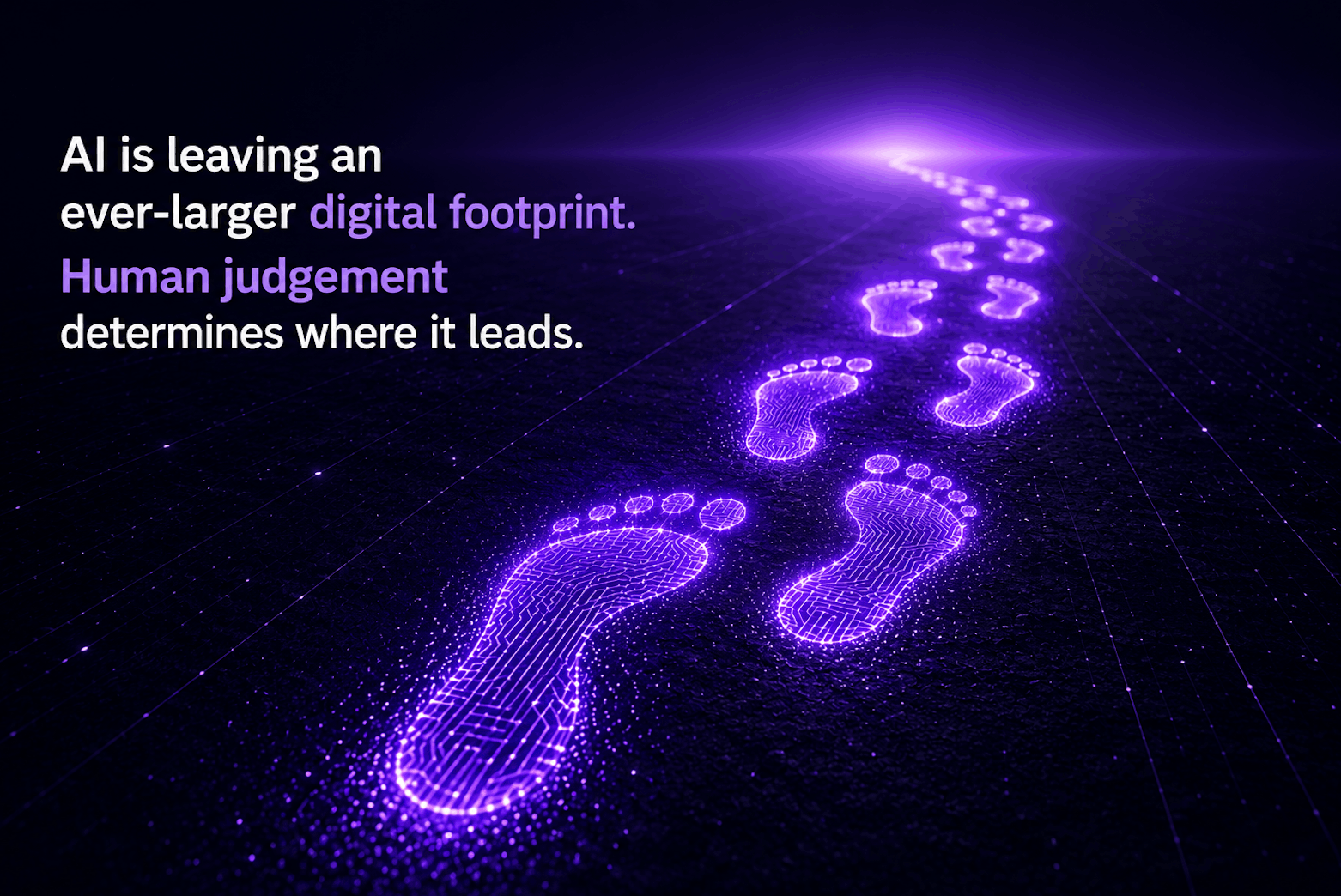
The quality of today’s communications will shape how companies are represented by AI in the future. Every announcement, article and digital interaction contributes to the information ecosystem that AI systems draw upon, making strategic communications increasingly important in shaping a company’s long-term reputation and visibility.
AI can help companies communicate faster, but in biotech, where trust and reputation underpin investment and partnerships, success still depends on communicating the right message, to the right stakeholders, at the right time. That requires judgement, context and experience—qualities that remain distinctly human.

